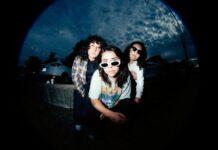
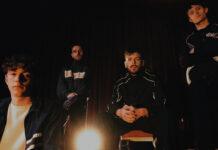
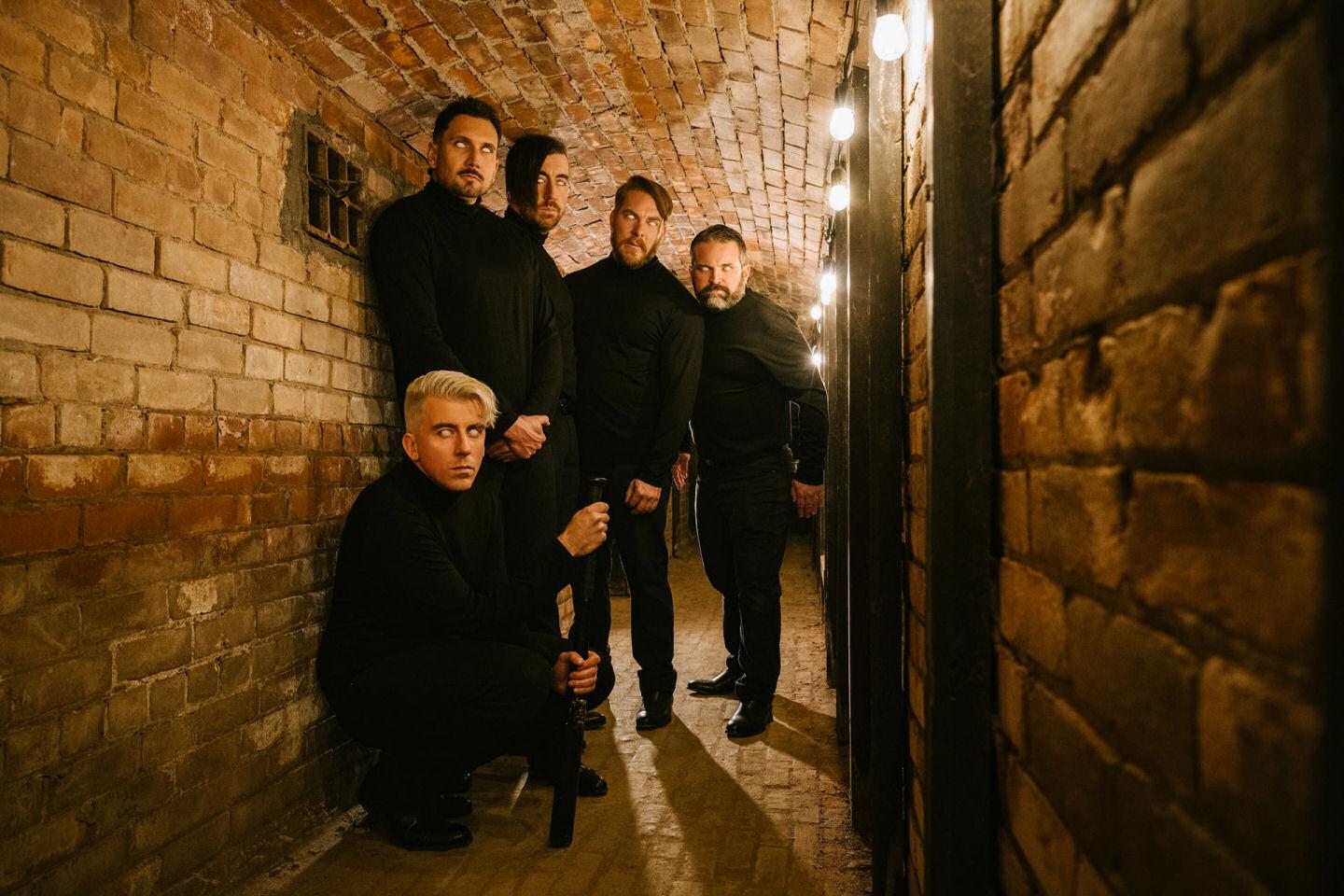
Toronto-based Madlands has just released the debut single from their album, Symphony For The End of Time. “Armageddon” serves as an unfiltered introduction to a band intent on restoring rock’s raw, unsettling edge. Channeling the spirit of a time when music was messy, emotional, and unpolished, the track blends a ’90s alt revival with pop-punk urgency and a dark, gothic undercurrent. We caught up with Madlands to chat about the new music, why and how they came to be a band, and their idea of a “fever dream variety show”.
From The Strait: Tell us about the new single, “Armageddon”.
Madlands: “Armageddon” isn’t necessarily about the end of the world. It’s about the slow spiritual collapse happening while everyone doom scrolls past the fire. We’re living in an age of synthetic gods and rented identities. Celebrity worship replacing individuality. Algorithms replacing thought. Distraction replacing meaning. People disappear into pornography, video games, and endless consumption that serve as little digital narcotics designed to keep the soul anesthetized. The song is a mirror held up to that decay. Not in a preachy sense, but almost like a funeral hymn for critical thought and human connection. We’re essentially asking what happens when society willingly trades consciousness for comfort, and whether the apocalypse is something catastrophically-looming or something that we’re quietly already experiencing.
From The Strait: There’s a lot to unpack from the video and visuals. How did you come up with the concept, and do you hope viewers take away from it?
Madlands: The video for “Armageddon” is essentially depicting our hypothesis for the future: a not-so-distant dystopia where everyone has checked out. The world outside our window keeps decaying socially and spiritually, but instead of confronting it, people retreat deeper into screens, distraction, artificial intimacy, and curated realities. The protagonist in the video is almost anesthetized by it all. He’s so consumed by escapism that he can’t even recognize the collapse happening around him. Our role in the narrative isn’t meant to be heroic or self-righteous. We don’t see ourselves as saviors. If anything, we’re just witnesses trying to drag consciousness back into the room for a moment. The ending is symbolic of what we try to do with our art in general: interrupt the digital hypnosis. We are trying to fight for integrity, authenticity, and something real in an era that increasingly feels synthetic. Whether people agree with the message or not, we hope the visuals leave them feeling unsettled enough to question the reality they’re being sold.
From The Strait: How did Madlands first get together?
Madlands: The ‘how’ behind Madlands formation is a lot less interesting than the ‘why.’ Too many artists try to sell the narrative before they’ve created something that justifies it. We’d rather let the work speak for itself first. The project was ultimately born out of frustration, maybe even disgust, with what rock music gradually became. A genre that once stood for individuality and artistic integrity slowly mutated into something corporately obedient and spiritually hollow. When artists who built their legacy on rebellion start taking the paycheck and publicly worshipping whatever safe, algorithm-approved pop star is trending because it keeps them socially relevant, something has clearly rotted at the core. When you see people from that world speaking about Sabrina Carpenter like she’s the second coming of Brian Wilson, we have a problem. We’re convinced that they say this not because they believe it but because it’s culturally advantageous to say so. It is sad to see how performative and neutered everything has become.
What’s even darker is how younger generations of artists have been socialized into total submission. Nobody wants to criticize the Foo Fighters or Green Days of the world because they’re terrified of repercussions. “What if we burn a bridge? What if we never get to open for them?” That mentality is instantly subordinate. The irony is those bands didn’t rise to prominence by being polite industry diplomats. They got there through confrontation, conviction, and a kind of uncompromising “fuck you if you stand in our way” mentality. That spirit has been replaced by networking, branding, and career preservation. Meanwhile the architects of the rock rebellion sit comfortably in their ivory towers getting richer, fatter, and further removed from the spirit that made people care in the first place.
Madlands exists as a reaction against that collapse. Not because we think we’re going to save rock music, but because we refuse to participate in its domestication.
From The Strait: How would you describe your sound to someone who hasn’t heard your music before?
Madlands: Our sound is kind of a love letter to 90s alternative music written in black ink and signed in blood. Gothic undertones run through everything we do both aesthetically and philosophically. There’s romance in decay, beauty in disillusionment, and tension between vulnerability and collapse. But the intention was never to cosplay the past. We see that era as a kind of spiritual crossroads, the point before art became fully absorbed into consumer culture. Before rebellion became branding. Before sincerity became performative content. A lot of artists who once stood for something slowly surrendered their identities piece-by-piece in exchange for perpetual relevance, hefty paychecks, and comfort. We became fascinated with that fracture. So the band exists almost as an act of speculative fiction: what would music sound like if integrity had won instead? If artists had continued moving deeper into truth instead of deeper into commerce? We’re trying to build from that imagined alternate reality.
From The Strait: If you could curate a festival (with you headlining, of course), who would you want on the bill and what would it be called?
Madlands: There are obviously countless bands and artists we love and continue to draw inspiration from, but honestly, the whole paradigm of band after band after band on a festival stage feels a little spiritually exhausting to us right now. It’s what audiences have been conditioned to want, but not necessarily what they need. If we were curating something, it would feel less like a music festival and more like a fever dream variety show; something unpredictable, theatrical, surreal, and provocative. Maybe we resurrect Salvador Dalí to do live painting while reciting poetry. Maybe Peter Sellers wanders on stage in character doing absurd improv skits about existentialism. And maybe Stanley Kubrick hosts a midnight lecture explaining in meticulous detail how he filmed the moon landings and why the powers that be were so afraid of him releasing his cut of Eyes Wide Shut. That’s more interesting to us than another neatly packaged content experience. Art should feel transformative, disorienting, and even confrontational at times. It should leave people haunted by questions that, hopefully, lead them closer to reality and truth.
From The Strait: What’s one question you wish you were asked in an interview? (And what’s your answer to it?)
Madlands: At the risk of sounding clever or sarcastic, this is probably the exact question I wish more people asked; not just to bands, but to people in general. Most conversations operate within these invisible scripted boundaries where everyone plays their assigned role: predictable questions, rehearsed answers, little fragments of personality packaged for easy consumption. It’s efficient, but it’s also limiting. You rarely get to hear what’s actually haunting someone’s mind in that moment. I think giving people the space to speak about whatever feels most urgent or prescient to them would probably lead to far more meaningful conversations, maybe even more honest ones. The things people volunteer without being directly prompted often reveal far more than the answers they’ve rehearsed and performed over so many years. Maybe it sounds facetious, but honestly, that’s the answer itself. The question I wish people asked more often is essentially: “What is it you actually want to say?” For us, the art we’re releasing is ultimately our answer to that question.
—
–
Follow Madlands on Instagram